

Why Australia Should Be Your Top Choice for Sustainable Travel

Australia's Unique Ecosystems
As a passionate advocate for wildlife conservation, my aim is to highlight the intricate beauty and ecological significance of Australia's distinct ecosystems. The Royal Botanic Gardens Victoria offers a profound illustration of biodiversity preservation, with its initiatives for maintaining plant species native to our region. These efforts offer inspiration for other conservation projects globally.
Great Barrier Reef Conservation
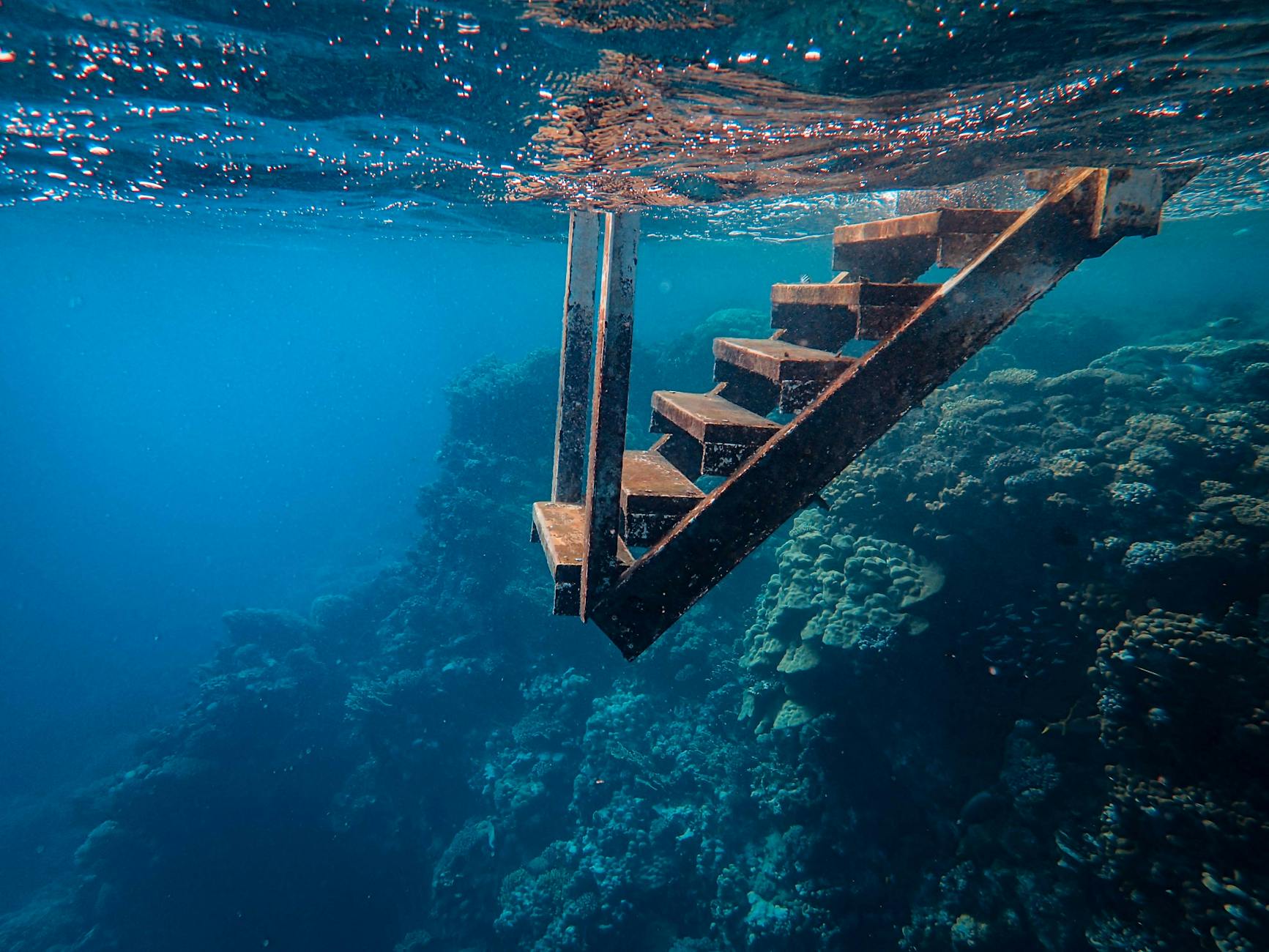
The Great Barrier Reef, a UNESCO World Heritage site, stands as a beacon for marine conservation globally. Its sprawling expanse is not only home to diverse marine life but also a critical habitat threatened by climate change. Efforts by local organisations focus on coral restoration and sustainable tourism practices to ensure its longevity. Protecting this natural wonder is paramount, as its health directly influences marine biodiversity on a global scale.
Diverse Terrestrial Habitats
Australia's terrestrial habitats, ranging from arid deserts to lush rainforests, house unique fauna and flora, many of which are found nowhere else. Initiatives supported by facilities like the Melbourne Zoo's conservation programs play a significant role in the protection and study of these environments. These programs foster understanding and action towards preserving species such as the koala and platypus, symbols of Australian wildlife.
Protection of Endemic Species
Endemic species are vital indicators of the health of our ecosystems. Conservation efforts are crucial to safeguarding animals like the numbat and the Western swamp tortoise. Such initiatives are mirrored across the globe in places like african safari parks, aiming to protect their unique wildlife. These programmes often rely on community involvement, mirroring successful models seen in central america tours and africa safari locales, where local partnerships enhance both conservation outcomes and visitor experiences.
Sustainable Travel Practices
Eco-Friendly Tours and Guides
In a world increasingly conscious of our environmental footprint, eco-friendly tours have become a staple for any conscientious traveller. In Australia, these tours often incorporate initiatives aimed at reducing emissions and conserving natural habitats. The Royal Botanic Gardens Victoria, for example, exemplifies such commitment with its sustainable gardening practices and educational programs. When considering kenya safari options, ensure the operators adhere to environmentally friendly guidelines, such as employing guides trained in ecological conservation and utilizing vehicles with reduced carbon emissions.
Renewable Energy in Tourism
As travelers, we must be aware of how tourism infrastructure impacts the environment. One pivotal shift is the adoption of renewable energy sources in tourism facilities. Many lodgings and tour operators have transitioned to solar or wind energy to power their operations, significantly reducing their carbon footprint. This practice not only preserves the environment but also models sustainability to visitors, offering them a unique perspective into the viable coexistence of luxury and conservation. Whether planning an enticing arctic cruises expedition or a relaxing stay in coastal Australia, opt for accommodations committed to utilizing renewable energy resources.
Community-Based Initiatives
Community involvement plays a crucial role in promoting sustainable tourism. By engaging local communities, you help ensure that tourism development benefits residents while maintaining cultural and ecological integrity. A visit to Melbourne Zoo's conservation programs highlights the importance of community efforts in safeguarding endangered species. Just as in Machu Picchu tours where local guides offer insights into Incan culture, community-based initiatives in Australia provide authentic experiences that also empower local populations. This collaboration fosters a sense of stewardship, encouraging travelers and local communities alike to uphold sustainable practices.
Marine Conservation Efforts
Marine Protected Areas
Australia is leading in marine conservation with its extensive network of Marine Protected Areas (MPAs), ensuring the survival of various species and ecosystems. These MPAs are part of a critical strategy to curb the threats of overfishing, habitat loss, and climate change. The Great Barrier Reef Marine Park is a testament to this commitment, safeguarding its vibrant biodiversity while promoting sustainable tourism practices. This approach has set a global benchmark and aligns perfectly with my values as a conservationist, echoing the incredible work done at the Melbourne Zoo's conservation programs.
Coral Reef Restoration Projects
Coral reef restoration initiatives play a pivotal role in Australia's marine conservation strategies. Through innovative methods such as coral gardening and assisted regeneration, projects aim to rehabilitate damaged reef areas while providing essential habitats for marine life. These techniques are not only vital for ecological balance but also for sustaining tourism activities like patagonia tours, which highlight the symbiotic relationship between tourism and conservation. By actively engaging in these restoration projects, we can mitigate the adverse effects of climate change, ensuring that future generations can witness the magnificence of coral ecosystems.
Research Collaborations in Marine Science
Collaboration among scientists and research institutions has been vital in advancing marine conservation efforts. Engaging in joint studies, both domestically and internationally, fosters the exchange of knowledge and resources. For instance, collaboration with tour operators offering antarctica cruises allows for unique research opportunities, such as studying the impact of climate change on polar marine environments. This shared dedication to sustainable practices is a cornerstone of effective marine conservation strategies. By harnessing collective expertise, we're not only comprehending present challenges but also crafting solutions for a sustainable future.
Challenges of Sustainable Travel
Maintaining Biodiversity Integrity
In the realm of sustainable travel, preserving biodiversity integrity remains a paramount challenge. For a conscientious traveller like myself, it's crucial to address and manage human impact on fragile ecosystems. This is particularly evident in tours focusing on regions rich in biodiversity, like South American tours and Africa tours. These trips often venture into protected habitats, which can be jeopardised by increased human presence. Understanding the delicate balance required to maintain ecosystem health, while also enriching personal experiences, is essential.
Balancing Tourism and Conservation
Sustainable tourism extends beyond just observing wildlife; it involves harmonising exploration with conservation. In my volunteering efforts with projects at Melbourne Zoo's conservation programs, I've seen firsthand the rigorous strategies needed to counterbalance tourism pressures. Whether it's through regulating visitor numbers or promoting off-peak travel times, these initiatives seek to protect habitats while sustaining local economies. Eco-friendly travel decisions are crucial in these settings, aiming to minimise carbon footprints and support local conservation efforts.
Addressing Climate Change Impacts
One of the most daunting challenges we face in sustainable travel is confronting climate change's impacts. Rising temperatures and altered weather patterns threaten the stability of ecosystems we visit and cherish. As seen with the initiatives at CERES Community Environment Park, integrating sustainable practices into everyday life is vital. These projects encourage responsible interaction with our planet, reinforcing the importance of adopting eco-conscious choices on individual and collective levels.
Embrace The Essence of Responsible Travel
Selecting Ethical Service Providers
As travellers who cherish the planet, it's crucial to select responsible tour operators. In Australia, the opportunity to support operators who genuinely care for our earth abounds. Look for businesses that engage in eco-friendly travel practices, such as minimising carbon emissions and respecting natural habitats. They often partner with conservation entities like the Melbourne Zoo's conservation programs, promoting the protection of our unique wildlife. Choosing these kinds of providers means your adventure will actively contribute to preserving the ecosystems you explore.
Support Local Conservation Efforts
Immersing yourself in Australia’s conservation initiatives not only bolsters local communities but also fortifies the ecosystems that make this land so extraordinary. By engaging with programs such as those found at the Royal Botanic Gardens Victoria, visitors can partake in ongoing efforts to conserve native flora and fauna. Furthermore, supporting eco-friendly initiatives at CERES Community Environment Park can significantly impact the preservation of wildlife and the propagation of sustainable practices. These actions resonate deeply within communities, inspiring lasting environmental stewardship.
Engage in Citizen Science
Another powerful way to enhance your travel experience is by participating in citizen science projects. Many opportunities allow tourists to assist in vital research, such as data collection for local wildlife studies or ecological surveys. These activities not only deepen your understanding of the natural world but also ensure the longevity of projects dedicated to maintaining biodiversity. Experiences such as these offer a rare, firsthand look into the real-world applications of conservation science, leaving a legacy of protection and reverence for our natural world.